
Empathy. Put yourself in the shoes of your employees and customers. Understanding their expectations, challenges, and needs is critical to earning trust and building loyalty. I’ve been in positions where I was looking for a job — waiting days or weeks for a response, not knowing if someone would even say yes or no. That experience never left me. It’s why I push myself and my teams always to consider how our decisions impact others, and to approach every interaction with humanity.
Asa part of our interview series called “Women Of The C-Suite,” we had the pleasure of interviewing Deb Alderson.
Deb Alderson is the Chief Executive Officer of ViaPath Technologies, where she leads efforts to break the cycle of incarceration through innovative technology and a strong commitment to second-chance hiring and reintegration. With over 25 years of executive leadership experience across national security, government services, and technology sectors, she has successfully guided organizations through growth, transformation, and private equity-backed transitions. Before joining ViaPath, she held senior roles at Sotera Defense Solutions and SRA International. She is passionate about fostering mission-driven cultures where employees are empowered to learn, lead, and thrive.
Thank you so much for joining us in this interview series! Before we dig in, our readers would like to get to know you a bit more. Can you tell us a bit about your “backstory”? What led you to this particular career path?
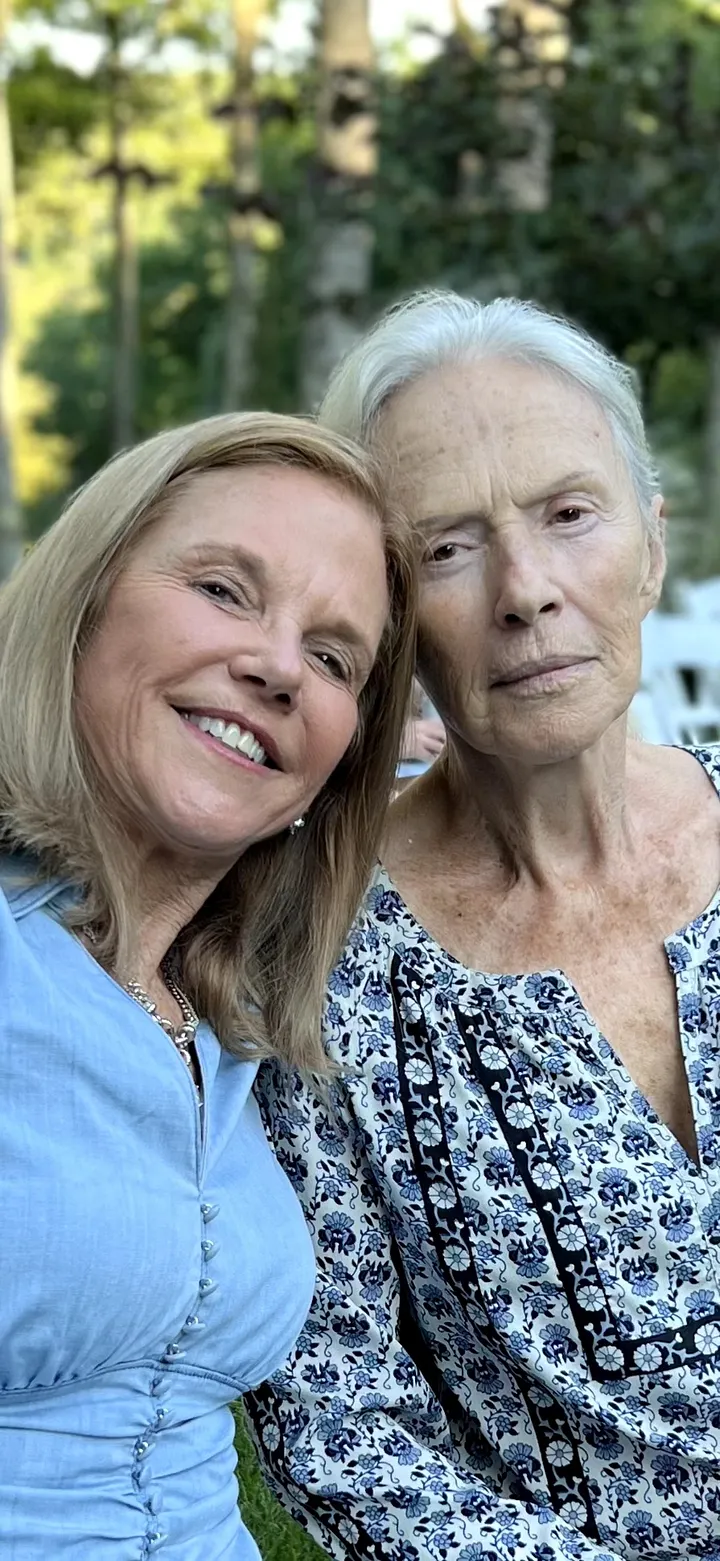
I’m the oldest of three daughters and was raised by an incredible mom who shaped so much of who I am today. She was, without question, the strongest person I’ve ever known. From a young age, she instilled in us the importance of valuing others, showing kindness, and always treating people the way we’d want to be treated. She challenged me in all the best ways — always pushing me to grow, but also reminding me of the importance of balance. Her lessons on honesty, transparency, and integrity have remained with me throughout my personal and professional life, serving as guiding principles in my career.
Can you share the most interesting story that happened to you since you began leading your company?
When I became CEO of ViaPath, the first thing I did was leave the office. I wanted to meet our people where they were, in the field, on the ground, doing the work. I also spent time with many of our customers. Having come from mission-focused organizations in the defense industry, I’ve always believed that purpose should be at the heart of what we do.
What struck me during those visits was how deeply our employees wanted to be part of something meaningful — and how our customers were looking for more than just a vendor; they were seeking a true partner. It became clear that what was missing wasn’t capability, but mission. That realization helped shape the direction we’ve taken as a company: grounding everything we do in a clear, values-driven mission that empowers our team and builds real trust with our customers.
It has been said that our mistakes can be our greatest teachers. Can you share a story about the funniest mistake you made when you first started? Can you tell us what lesson you learned from that?
Early in my career, I was headed to a NASA event to brief a customer on some new technology. I was fully prepared, with a polished presentation, ready talking points, and registered for the event. The only problem? I forgot to bring my ticket. I showed up at the venue only to realize I had no way to prove I was supposed to be there. So, I had to convince security to let me in — not exactly how I imagined starting the day! Thankfully, it worked out, but it was a valuable lesson in the importance of attention to detail.
The takeaway? Always double-check the small stuff — especially when traveling. It’s often those little things that trip you up, and being prepared can save a lot of stress (and awkward conversations at the door).
None of us can achieve success without some help along the way. Is there a particular person you are grateful to who helped you get to where you are today? Can you share a story about that?
My mother is number one. She raised my sisters and me as a single parent and overcame numerous obstacles in the workplace. She taught me to work hard, lead with integrity, and earn my seat at the table. Her strength, resilience, and values are the foundation of who I am as a leader.
The second person who had a profound impact on me was a very outspoken Admiral I worked with in the Navy. He challenged me to think beyond my success and made it clear that leadership comes with the responsibility to lift others. He believed deeply in creating opportunity and recognizing the value in every person — that lesson has stayed with me throughout my career.
Leadership often entails making difficult decisions or hard choices between two good paths. Can you share a story with us about a hard decision or choice you had to make as a leader?
One of the most challenging decisions a leader must make is releasing an employee. It’s never something I take lightly. Before I reach that point, I ensure we’ve explored every possible option — whether it’s additional training, a role adjustment, mentorship, or coaching.
Letting someone go isn’t just about performance; it affects real lives and families. I’ve learned that as a leader, you must balance compassion with responsibility to the broader team and the mission. When you’ve truly done the work to support someone and it’s still not the right fit, making that call — while incredibly difficult — becomes a necessary step forward for both the individual and the organization.
Ok, thank you for that. Let’s now jump to the primary focus of our interview. Most of our readers — in fact, most people — think they have a pretty good idea of what a CEO or executive does. But in just a few words, can you explain what an executive does that is different from the responsibilities of the other leaders?
At the executive level, responsibilities are broader and more profound. You’re constantly balancing the expectations of multiple stakeholders — employees who rely on you for job security and opportunities, customers who expect value and trust, and owners or board members who seek performance and growth. It’s about seeing the whole picture, making decisions that align with long-term strategy, and carrying the weight of those decisions every day.
What are the “myths” that you would like to dispel about being a CEO or executive? Can you explain what you mean?
Get Vanessa Morcom’s stories in your inbox
Join Medium for free to get updates from this writer.Subscribe
One of the biggest myths about being a CEO is that we sit behind a desk all day, barking orders and delegating everything. While I’ve met a few leaders who operate in this manner, I don’t believe that’s what authentic leadership looks like — and it certainly doesn’t lead to long-term success.
To me, being a successful executive means earning the trust and respect of your team. That happens when you roll up your sleeves, work alongside your people, and stay grounded in the realities of the business. Yes, you must make high-stakes decisions, but the best decisions come when you truly understand what’s happening on the ground and stay connected to the people doing the work.
What is the most striking difference between your actual job and how you thought the job would be?
One of the biggest surprises compared to my expectations has been the cultural stigma associated with our work. I expected the role to be complicated, but I didn’t realize how deeply rooted some external views would be — especially when you’re leading a company that offers such a vital and important service.
Navigating those misconceptions while staying focused on our mission has been both a challenge and a motivator. It’s reinforced the importance of transparency, education, and leading with purpose.
Is everyone cut out to be an executive? In your opinion, which specific traits increase the likelihood that a person will be a successful executive, and what type of person should avoid aspiring to be an executive? Can you explain what you mean?
Not everyone is cut out to be an executive — and that’s okay. Leadership at this level requires a specific mindset and set of values that extend beyond technical skills and experience.
First, you must be transparent. That means telling the truth, even when it’s uncomfortable or unpopular. Your team and stakeholders rely on your honesty, and trust is built in those challenging moments.
You also must be decisive. Executives often need to make critical decisions with imperfect information. That means being confident in your choices but also humble enough to change course when new facts emerge — and to admit when you were wrong.
One of the most important things to understand is that both good and bad decisions fall on you. True leaders never put others in a difficult position. Accountability is non-negotiable.
Finally, you must always treat people with dignity and respect. That means going the extra mile to show that you care, not just about performance, but about people. If you can’t lead with empathy and fully own your decisions, this probably isn’t the right path for you.
What are your “5 Things You Need to Succeed As A Senior Executive” and why?
1. Empathy
Put yourself in the shoes of your employees and customers. Understanding their expectations, challenges, and needs is critical to earning trust and building loyalty. I’ve been in positions where I was looking for a job — waiting days or weeks for a response, not knowing if someone would even say yes or no. That experience never left me. It’s why I push myself and my teams always to consider how our decisions impact others, and to approach every interaction with humanity.
2. Honesty
Tell the truth, even when it’s difficult. Bad news doesn’t improve with time. I once led an organization that was being acquired. The new owners kept using the word “merger” to ease concerns, but that wasn’t what was happening — it was a change of control. I was honest with my team about it. Change isn’t inherently bad, but I believe people deserve to be prepared for what is ahead. Transparency builds respect, even in uncertain times.
3. Preparation
Do your homework — and then some. I once gave a high-stakes presentation where the audio/visual completely failed. Because I had rehearsed the material so thoroughly, I delivered the entire presentation without a single visual aid. Preparation isn’t just about being ready; it’s about being unshakable when the unexpected happens.
4. Be a Good Listener
You cannot lead well if you don’t listen. I make a point to reach out across all levels and job functions within the organization to understand different perspectives. Sometimes, the best solutions come from those closest to the work. Creating space for those voices makes the entire organization stronger.
5. Gratitude and Humility
Never forget where you came from, and never stop thanking the people who help you along the way. Success isn’t a solo journey. I make it a priority to express gratitude daily — whether it’s a small note, a genuine thank you, or simply acknowledging someone’s contribution. It reinforces that no matter the title, people and relationships are what matter most.
You are a person of significant influence. If you could inspire a movement that would bring the most amount of good for the most substantial number of people, what would that be? You never know what your idea can trigger.
If I could inspire a movement, it would be this: Challenge yourself daily to lead with authenticity. Ask yourself hard questions. If you have a hard time believing the message you’re delivering — to your team, your stakeholders, or even yourself — then it’s probably the wrong message.
Real change begins when we hold ourselves accountable to truth and purpose. I believe if more leaders operated with that level of self-awareness and integrity, we’d see stronger organizations, more empowered people, and a deeper sense of trust across the board.
We are very blessed that some very prominent names in Business, VC funding, Sports, and Entertainment read this column. Is there a person in the world, or the US, with whom you would love to have a private breakfast or lunch, and why? They might see this if we tag them.
I’d love the opportunity to have a private breakfast or lunch with Bill Gates. His ability to transition from building one of the world’s most successful technology companies to focusing on global health, education, and equity through philanthropy is deeply inspiring.
Thank you for these fantastic insights. We greatly appreciate the time you spent on this.